

Hey there.
With adult ADHD, even trivial things can feel heavy. I was instantly intrigued when I learned about Personal Knowledge Management through Tiago Forte's Build a Second Brain.
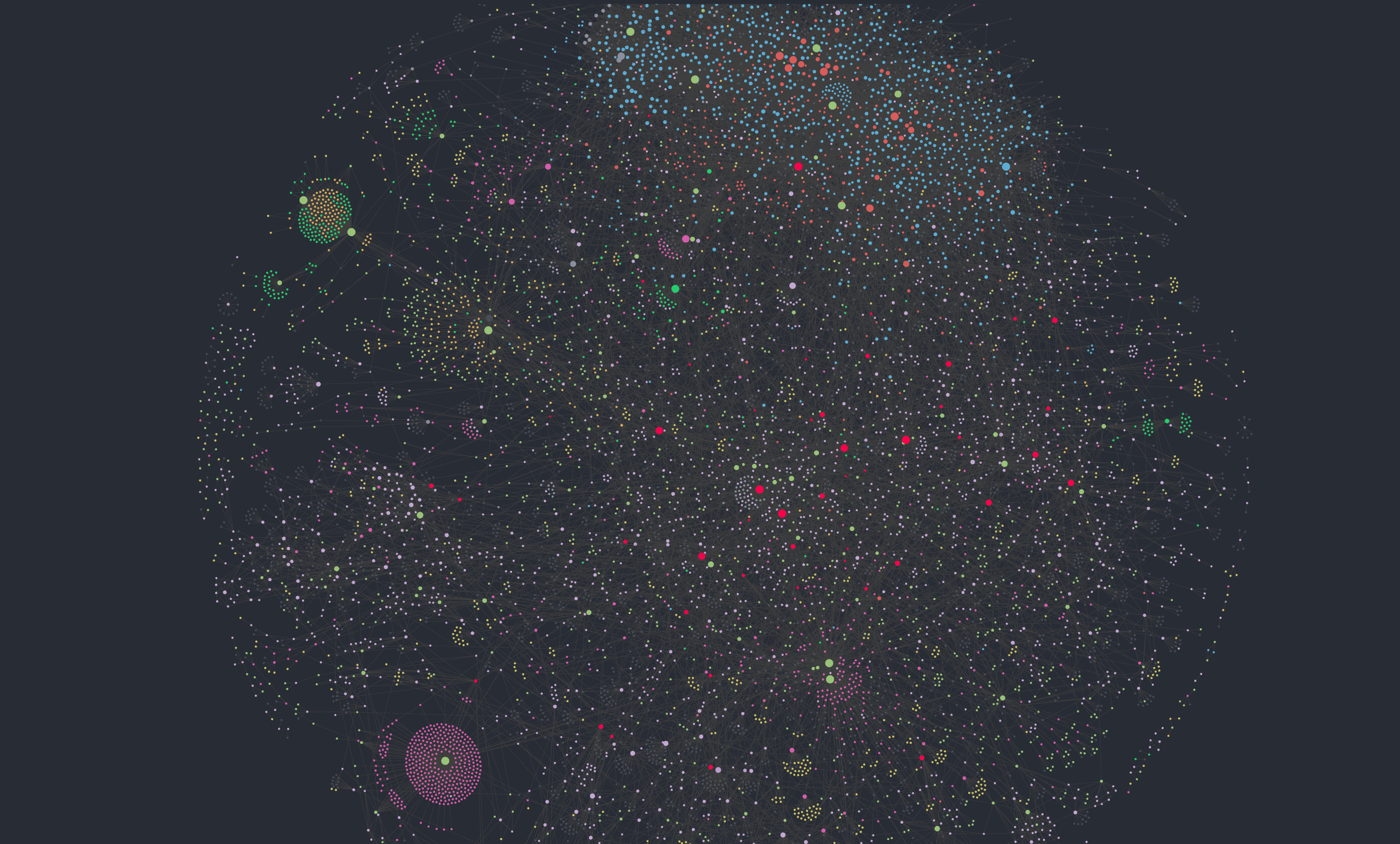
Now, almost 4,400 notes deep in Obsidian, I've documented everything from job applications to therapy notes to half-finished blog posts about seagulls. (Don't ask.) Here's what I learned about getting my digital life together, or at least pretending to.
Lesson 1: Your Brain Already Knows How to Take Notes (Stop Fighting It)
Every productivity guru wants to sell you their perfect note-taking system. Only use tags! No, only use folders! PARA method! Zettelkasten! Bullet journals, but digital! I never realized how many systems were out there promising to help you find that one file among dozens.
The truth? Your brain already knows how to organize information. It's been doing it your entire life.
Here's what finally worked: I experimented with different systems. I discovered Nick Milo's Ideaverse for Obsidian and the ACE framework, which organizes thought work into three areas: knowledge-based (Atlas), time-based (Calendar), and planning-based (Efforts).
When parts of a system didn’t align with how my brain works—like needing more urgency in my planning tasks—I adapted. I eventually landed on a hybrid approach, replacing the E in the ACE framework with a Next Actions task list inspired by Getting Things Done.
The moment I stopped fighting my natural organizing instincts was when Obsidian started being useful.
Lesson 2: Perfect Organization Is a Myth (And That's Good)
You know that feeling when you start a new notebook and swear you'll keep it perfectly organized this time? Yeah, about that.
I used to spend hours perfecting my folder structure. Every note needed the perfect tags. Every connection had to be intentional and meaningful.
The brutal truth about note organization:
Your meticulously crafted system will break down within a week.
You'll inevitably forget your carefully planned tagging conventions.
Future You will question Past You’s organizational choices with increasing frustration. (Give Past You some grace, by the way; they did their best.)
The real power of Obsidian isn't in having a perfect system - it's in being able to find stuff later when your brain makes unexpected connections. That random note about React hooks from three months ago? It becomes relevant again when you're writing a blog post about teaching web development.
Lesson 3: Oh my GOD, write the damn note already
The biggest mistake isn't having messy notes - it's not taking notes at all, because you're worried about doing it “wrong.”
Here's what I learned after six months of digital note-taking: Your notes don't need to be perfect. They just need to exist.
Zettelkasten notes are small items of information stored on manual paper slips or cards or digital notes that may be linked to each other through subject headings or other metadata. I was maybe 150 notes in on explanations about deep learning when my brain decided, “You know what, brain? These files need to be renamed so it has a date-based ID. Also, you should do this by hand and not think about doing this by a script.” So that’s what I did, and for a while, I had a mix of notes that had numbers and non-numbers to where I did everything I could to prevent a massive OCD-let marathon file renaming session in the middle of the night when that time could have been used for better things.
No system will magically organize your thoughts for you. But having a messy collection of searchable notes beats having a perfect system with nothing in it.
This is pretty different from my usual technical posts about coding and dysfunctional Asian Families, but I'd love to hear how you all handle the eternal struggle between “perfect system” and “actually getting things done.” Do you have a note-taking system that works for you? Or are you still perpetually searching for the Perfect System™ while your thoughts scatter across various apps, notebooks, and random sticky notes? Drop a comment below – especially if you've named your own note-taking system something ridiculous or after a third-world dictator.
I use rocketbook and just scan it all into onenote so I can search it later. It's not perfect but it's good enough.
I’ve been using Obsidian for about a year at work as a low-key personal wiki for bits of information that I couldn’t hold on to mentally but knew I’d need again. I love the possibilities, but don’t have the capacity or bandwidth to actually try and assemble a working, coherent, maintainable system out of the parts. Which is more or less my day job, so.. uh-oh?